AWWA Sena Jal

State of Art Plant

Manufacturing Factory (Quality & Process)

Step 1

Raw Material – Hard Water Intake

Every bottle of AWWA Sena Jal carries a greater purpose . The proceeds generated from the sale of AWWA Sena Jal are dedicated to supporting the families of soldiers who have laid down their lives for our nation . By choosing AWWA Sena Jal, every Indian can directly participate in honoring the supreme sacrifices of our soldiers and stand with their families in solidarity.

Step 2

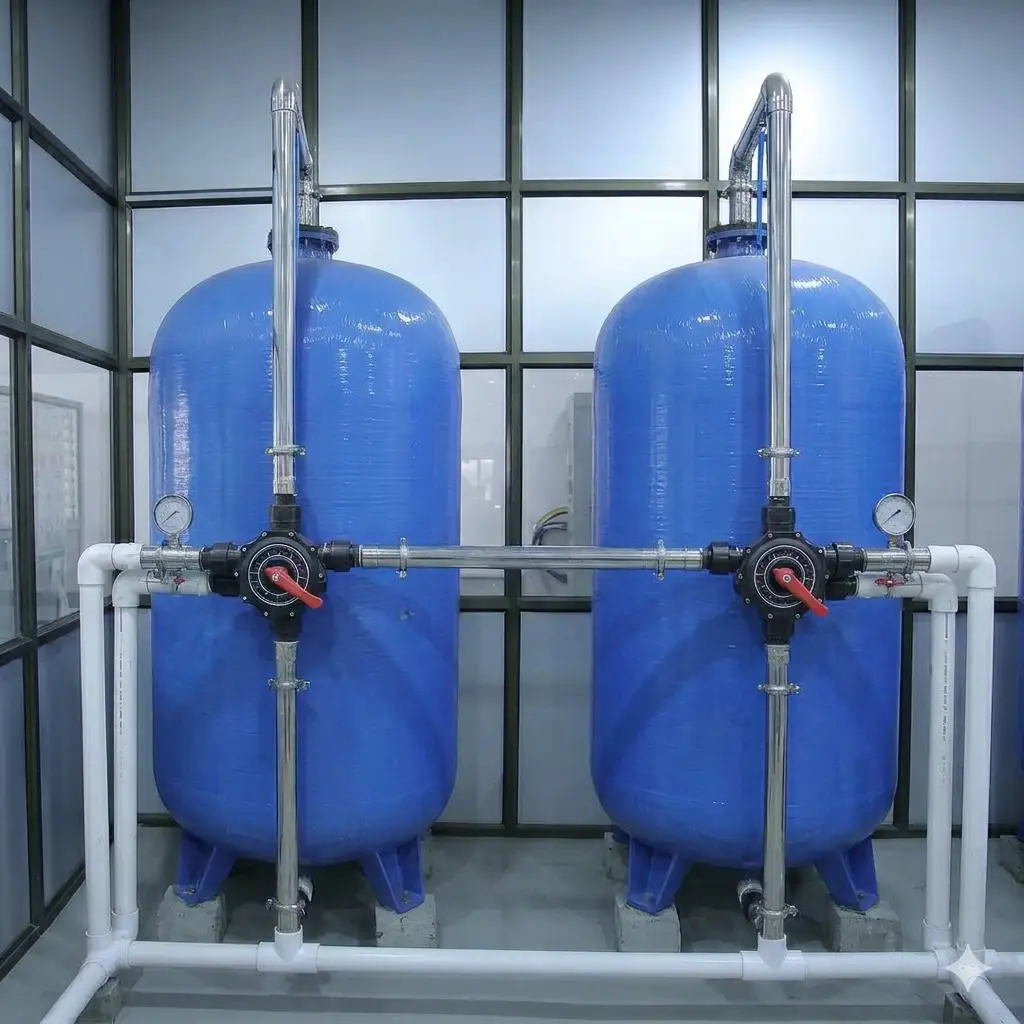
Filtration – Membrane Filter (6000 LPH)

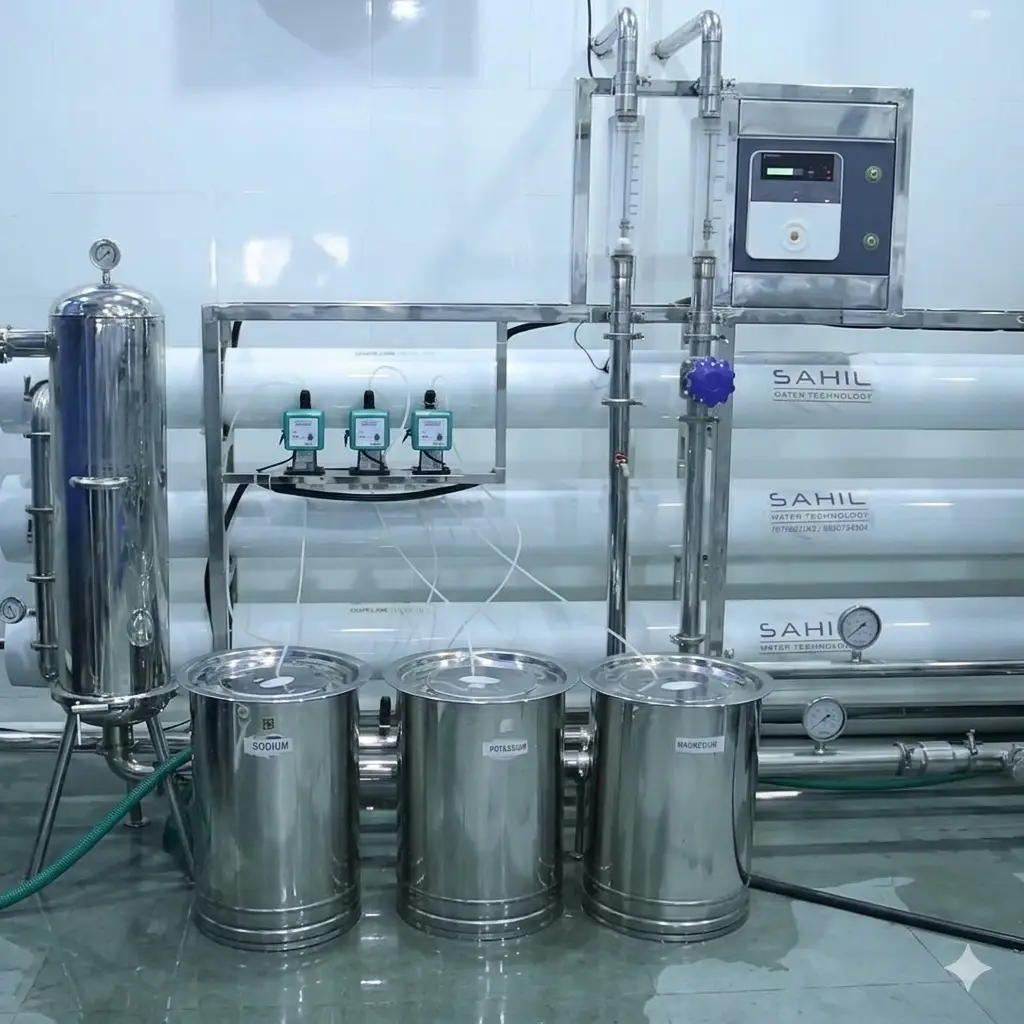
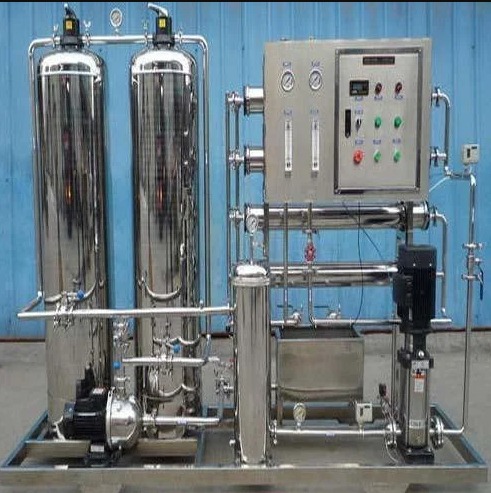
Water undergoes membrane filtration where dissolved solids (TDS) are significantly reduced, improving softness and taste. The system operates efficiently at 6000 liters per hour, ensuring consistent output. Regular monitoring of pressure, flow rate, and membrane integrity ensures optimal filtration and long-term system reliability.
Step 3

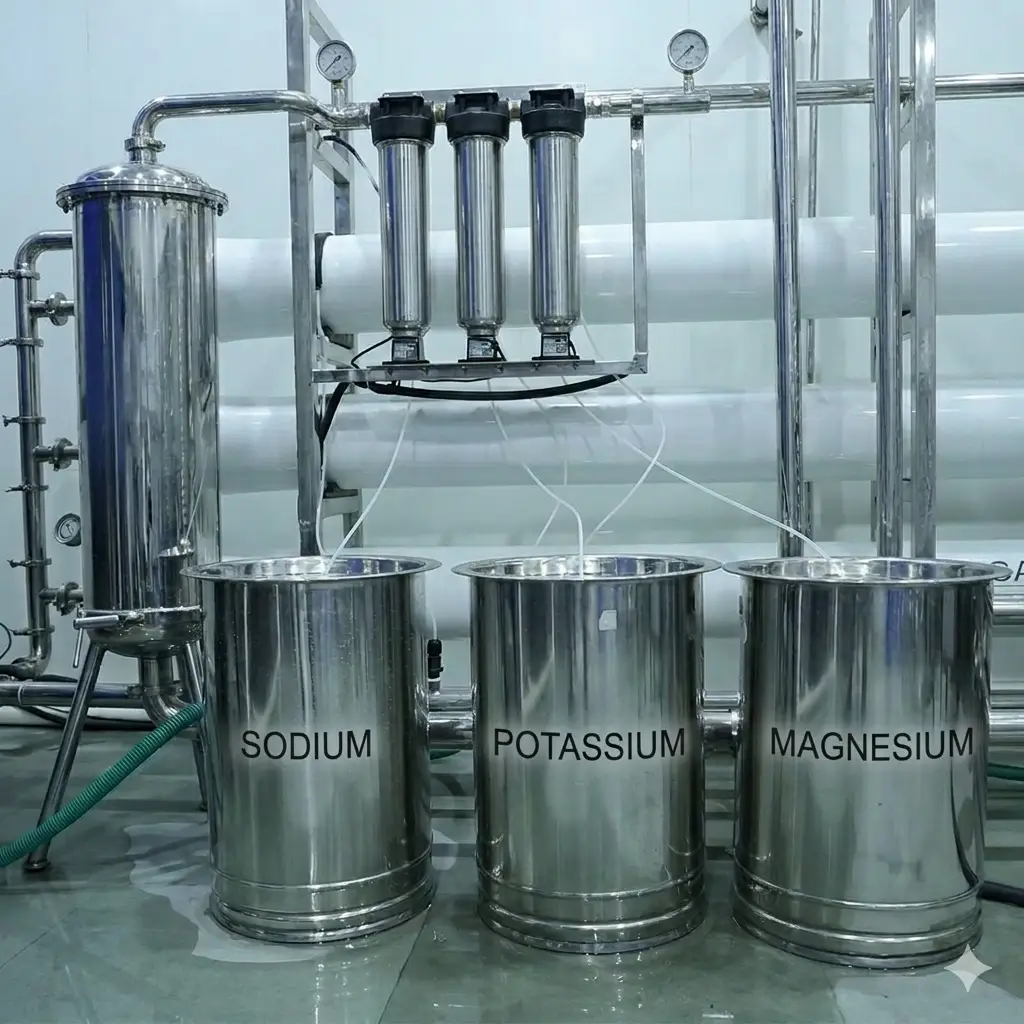
pH Balance (Sodium, Potassium, Magnesium)

Essential minerals like sodium, potassium, and magnesium are added in controlled proportions to maintain healthy pH levels. This step ensures water is not only safe but also beneficial for consumption. Continuous testing ensures balanced alkalinity, taste consistency, and compliance with drinking water quality standards.

Step 4

UV System – Bacteria Removal

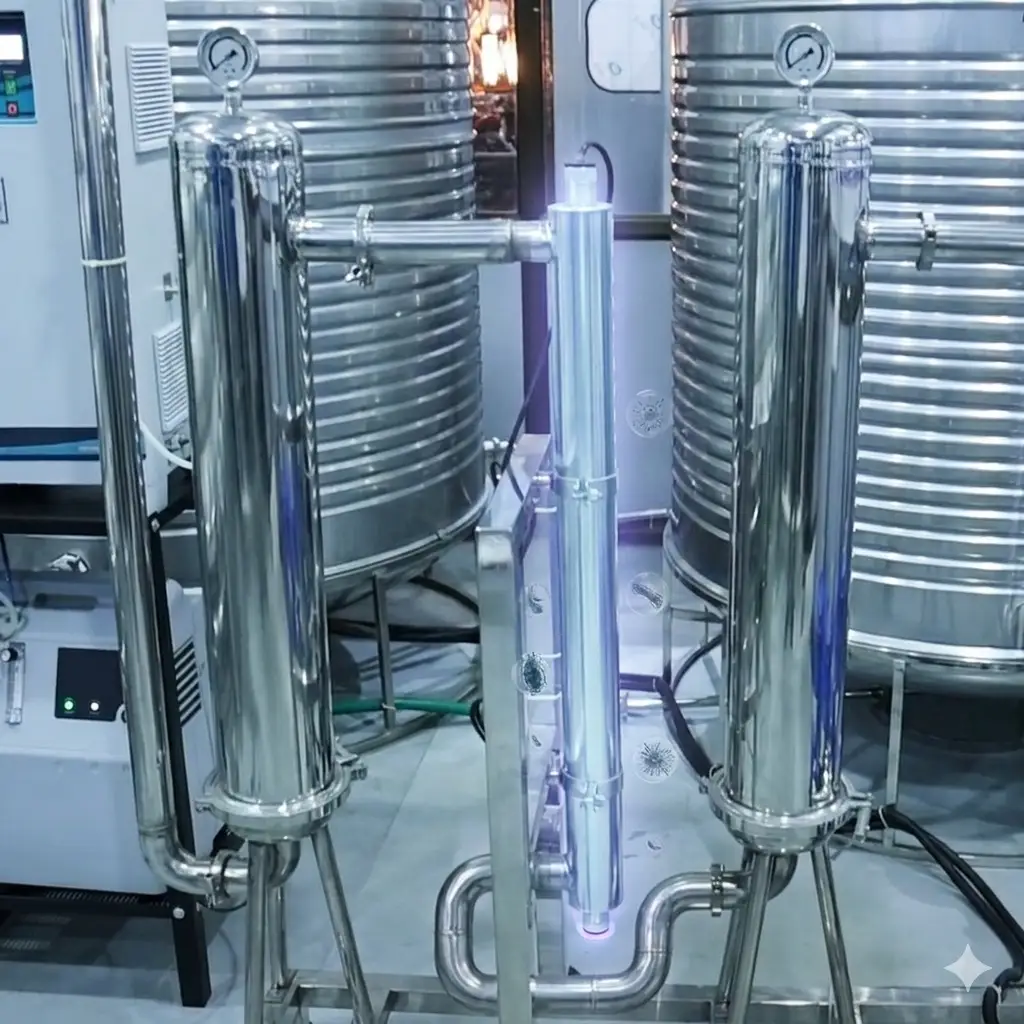
Water is exposed to ultraviolet light to eliminate bacteria, viruses, and microorganisms. This non-chemical disinfection ensures microbiological safety. Combined with fine membrane filtration, it guarantees high purity levels. UV intensity and exposure time are regularly checked to maintain effective sterilization performance.

Step 5

Ozonization Process

Ozone treatment is applied to disinfect and enhance water shelf life. It effectively removes residual microorganisms and improves freshness. Post-ozonization, water stabilizes and becomes safe for consumption within 24 hours. Ozone levels are carefully monitored to ensure safety and compliance.

Step 6

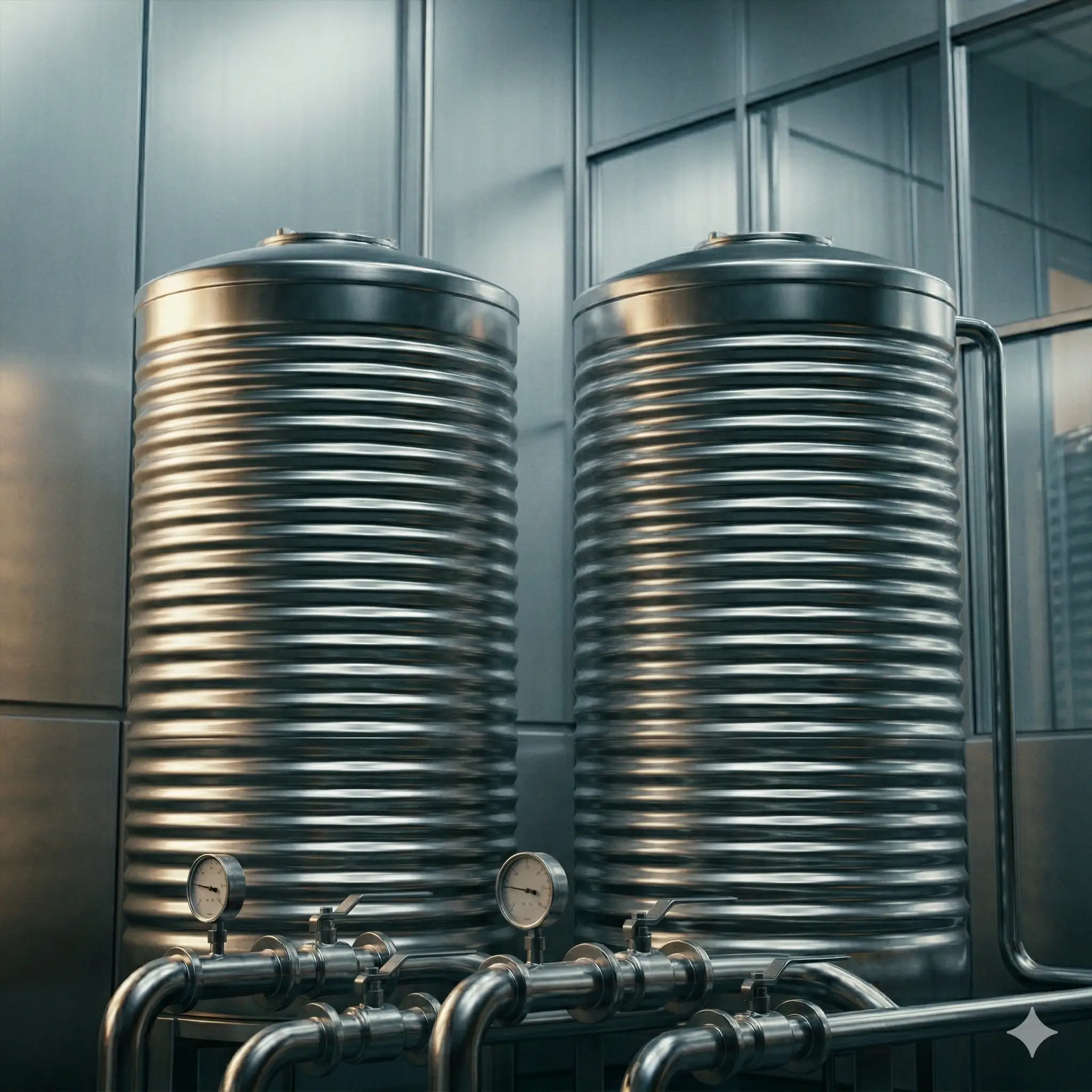
Filtered Water Storage Tank


Purified water is stored in hygienic, food-grade tanks designed to prevent contamination. Tanks are regularly sanitized and sealed to maintain water quality. Controlled environment storage ensures no exposure to external pollutants before bottling, preserving purity and freshness.

Step 7

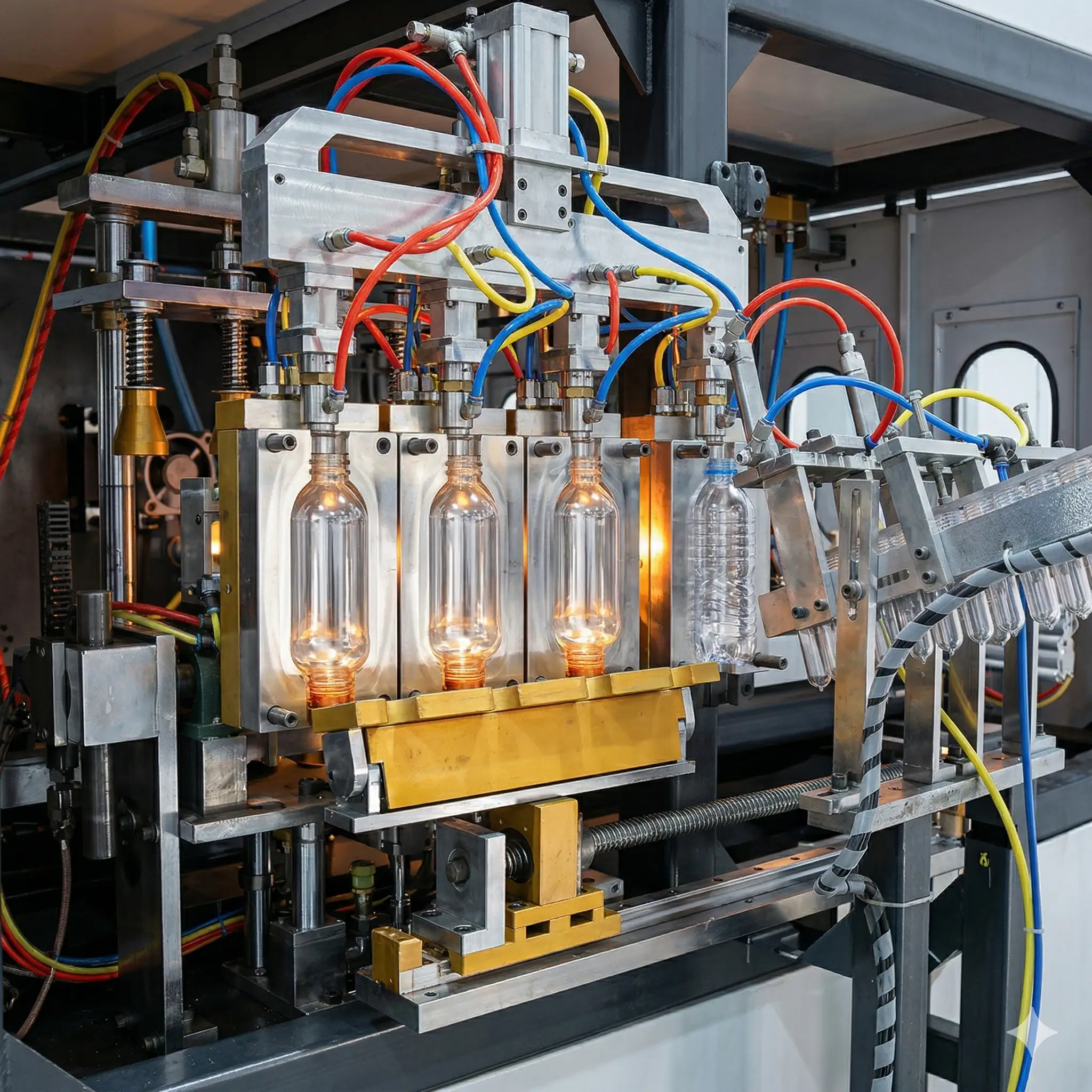
PET Blowing Process – Bottle Formation

Preforms made from PET raw material are loaded into the hopper, heated to approximately 100°C, and molded using cold dies. The thermodynamic process expands heated material into bottle shapes. Strict temperature and pressure control ensure uniform bottle strength, clarity, and durability.

Step 8

Bottle Shaping (Heating at 100°C)

Heated PET preforms are expanded into final bottle shapes using high-pressure air. The process ensures uniform thickness and structural integrity. Continuous supervision guarantees defect-free bottles with consistent dimensions, essential for filling and sealing operations.

Step 9

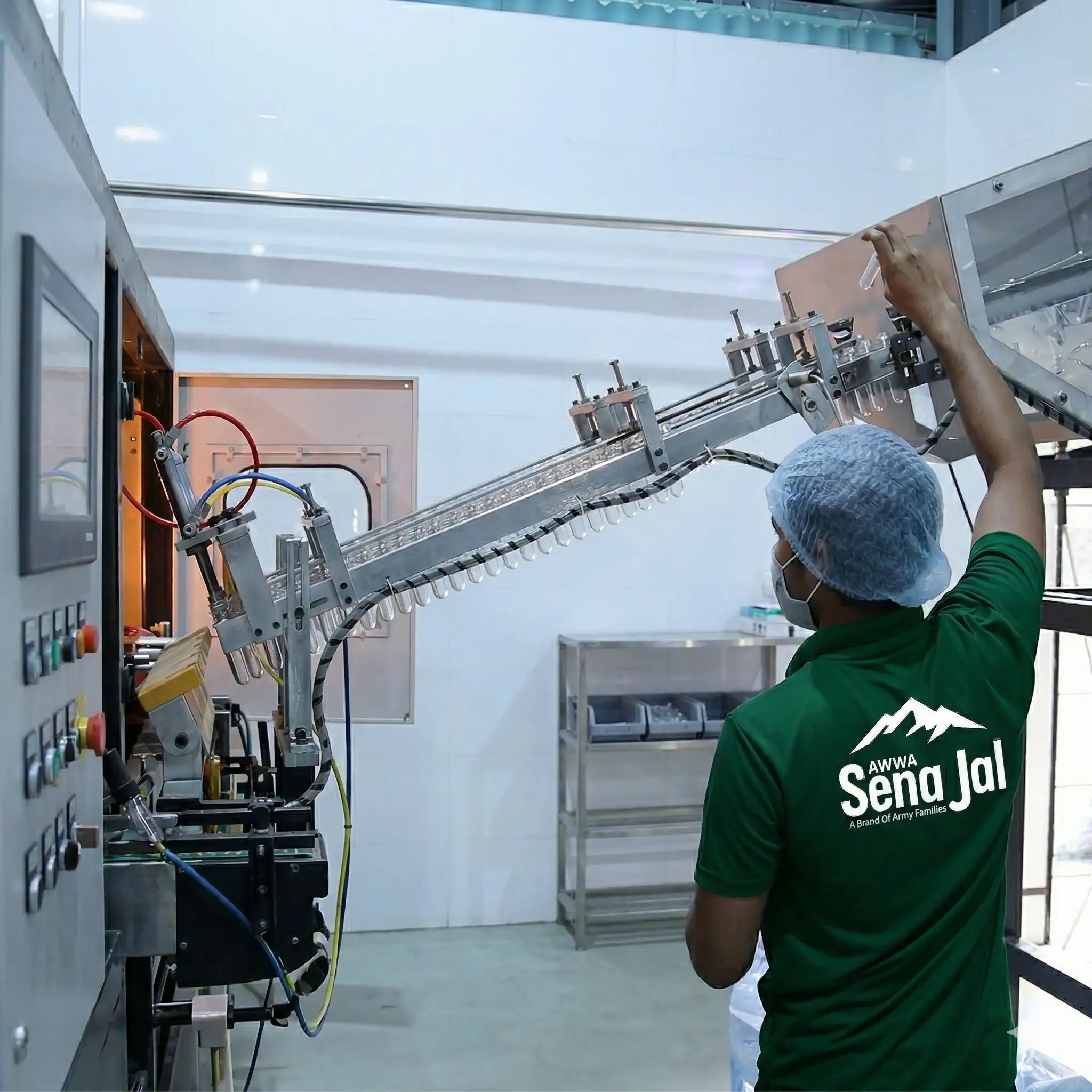
Bottle Cleaning Line Setup


Formed bottles are aligned systematically on conveyor systems for cleaning. Proper spacing and handling ensure no damage or contamination. This stage prepares bottles for thorough rinsing, maintaining hygiene before filling operations.

Step 10

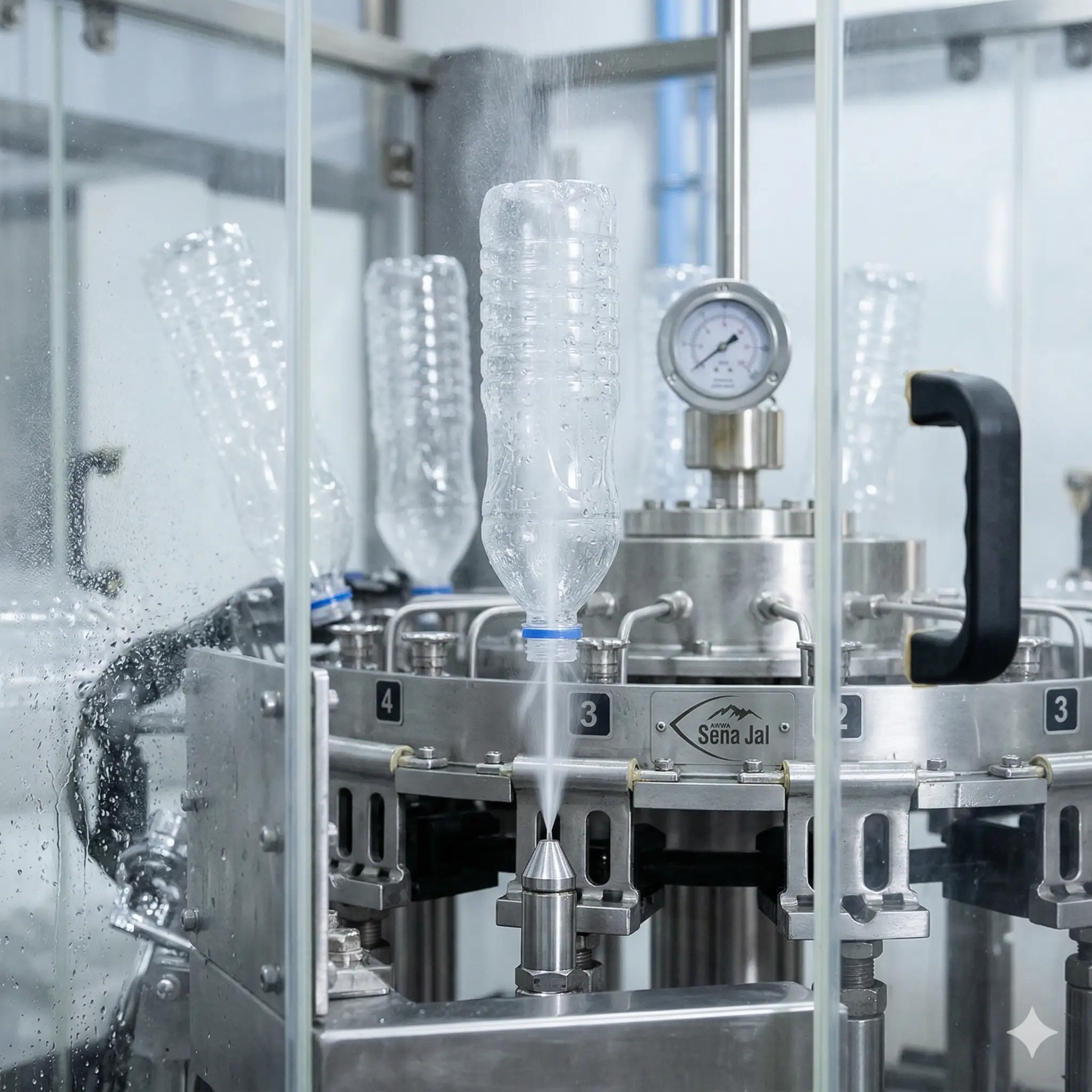
Bottle Washing (Rinsing Process)

Bottles undergo high-pressure rinsing using treated water to remove dust, particles, or residues. This ensures internal cleanliness. Regular checks confirm effective rinsing and absence of contaminants, maintaining strict hygiene standards.

Step 11

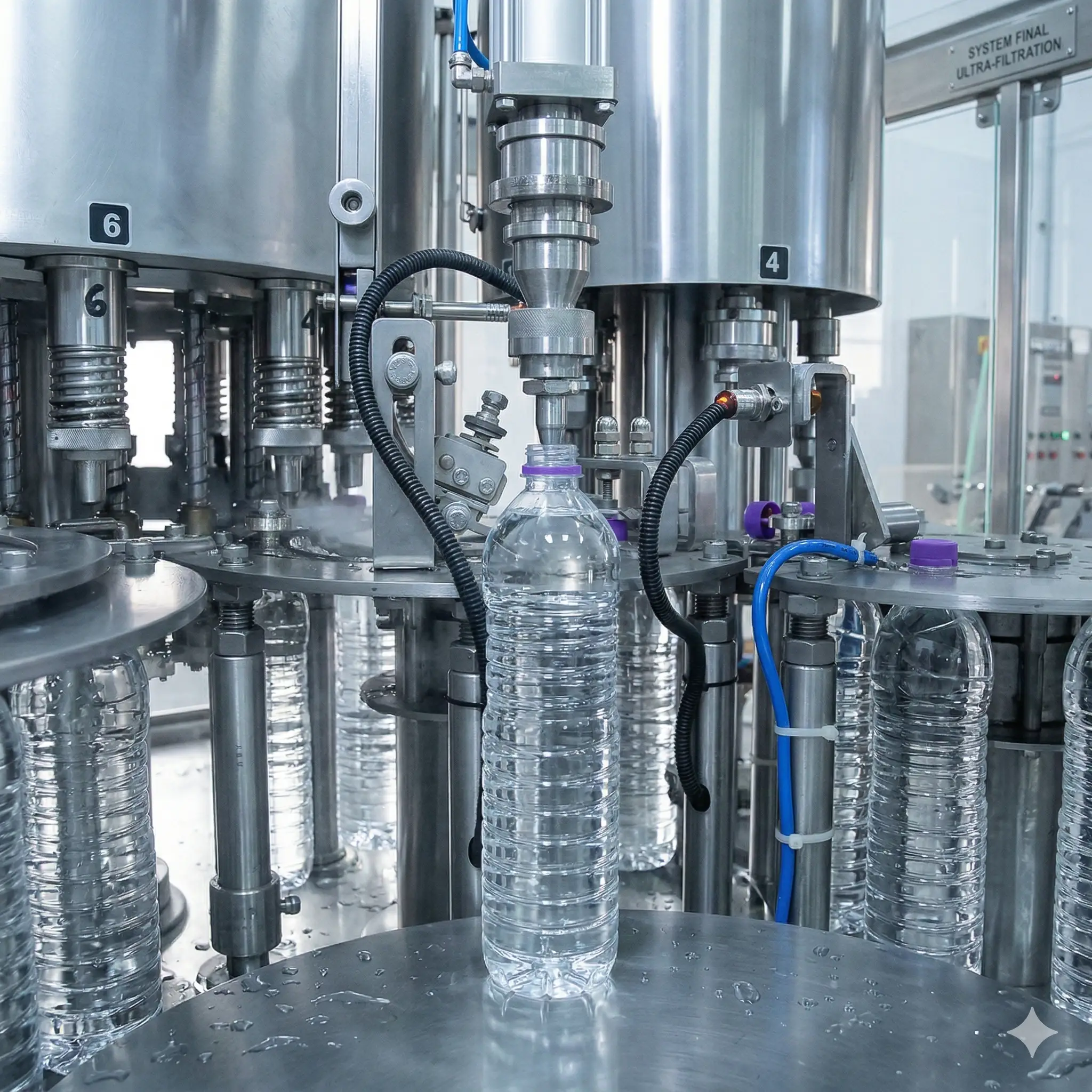
Water Filling Process

Purified drinking water is filled into cleaned bottles using automated filling machines. Precision filling ensures correct volume in each bottle. The system operates in a controlled environment to prevent contamination and maintain product quality.

Step 12

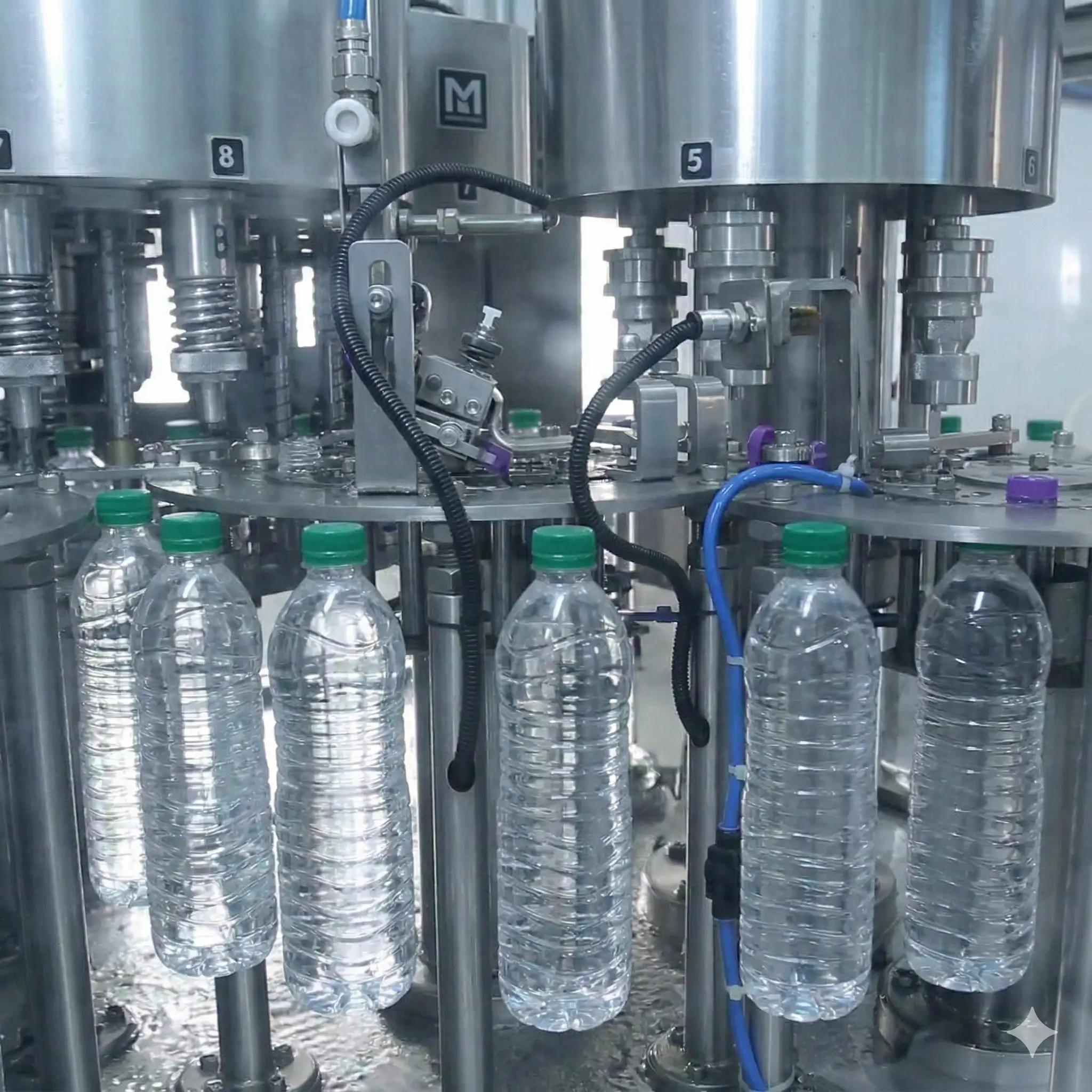
Automatic Capping System

Bottles are sealed with caps using automated machinery to ensure airtight closure. Proper torque is maintained to prevent leakage. Regular checks ensure caps are secure and tamper-proof, maintaining product safety.

Step 13

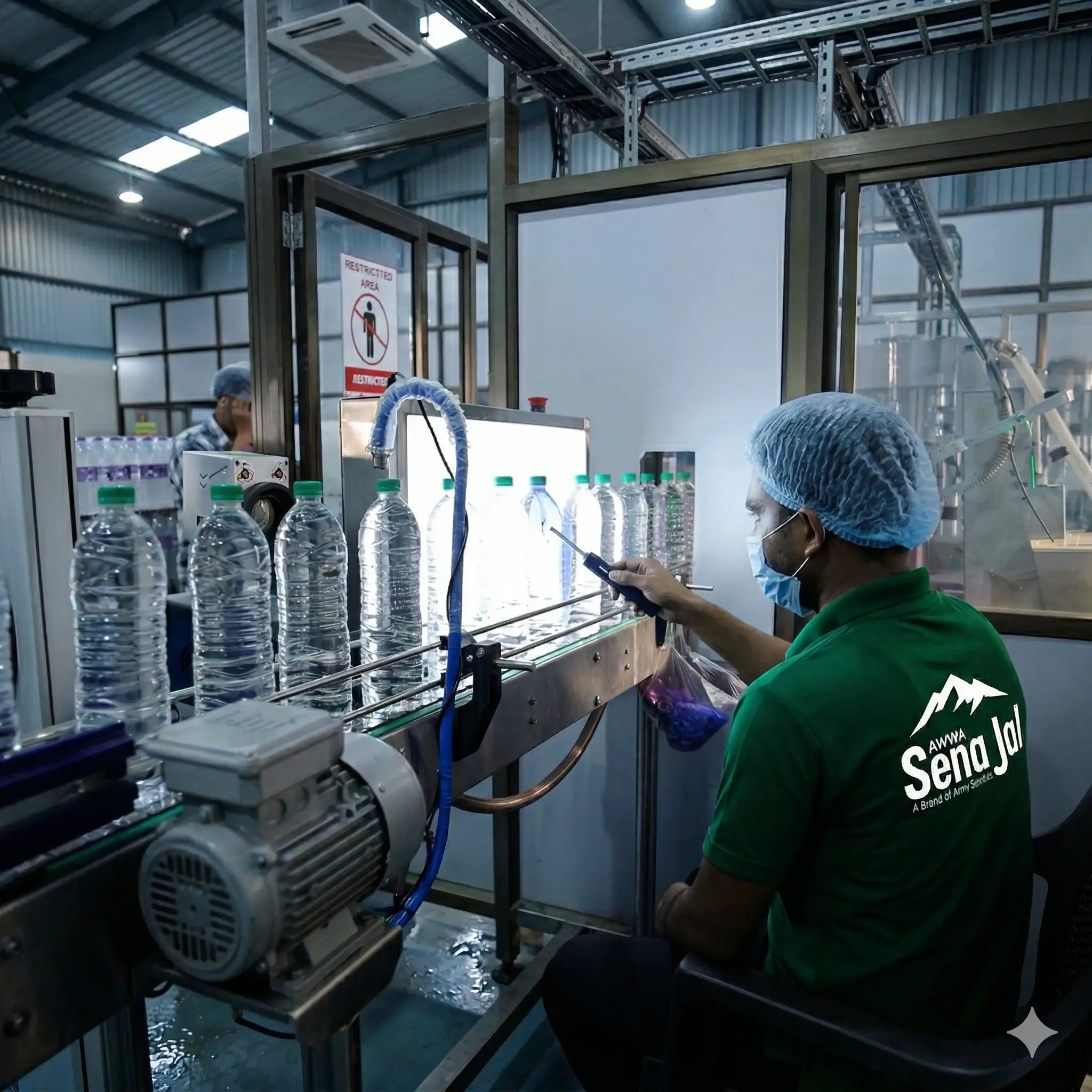
Manual Leakage & Quality Inspection

Each bottle is manually inspected for leakage, cap tightness, and clarity. Light inspection helps detect dust or impurities inside bottles. This critical quality checkpoint ensures only defect-free products proceed to the next stage.

Step 14

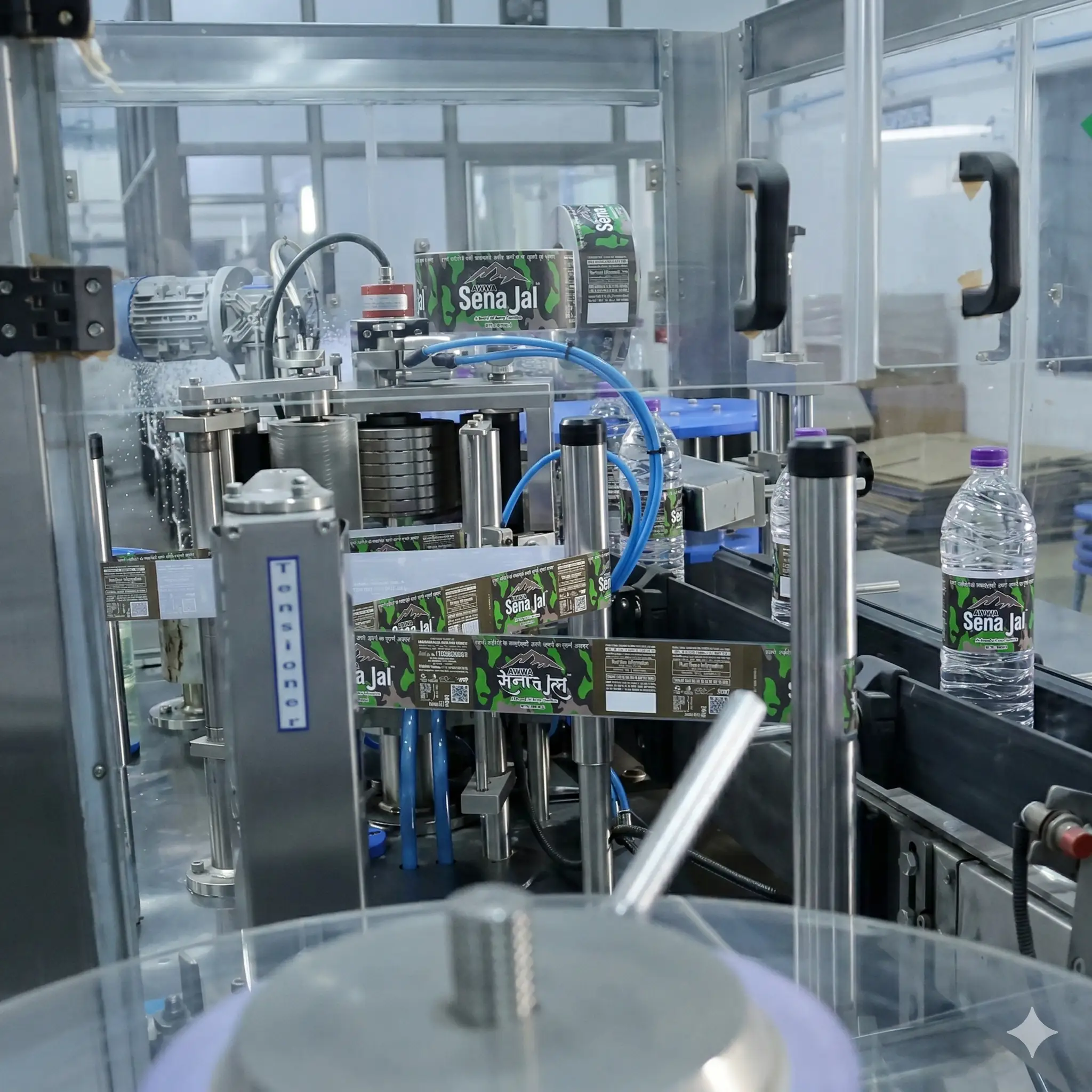
Labelling & Branding Process

Bottles are prepared for branding with detailed information. Laser printing ensures accuracy of batch number, MRP, manufacturing date, and compliance details. Clear labeling enhances traceability and regulatory compliance.

Step 15

Automatic Labelling Machine (BOPP)


High-speed BOPP labelling machines apply labels efficiently and accurately. The system ensures consistent placement and strong adhesion. This enhances visual appeal and brand identity while maintaining production efficiency.

Step 16

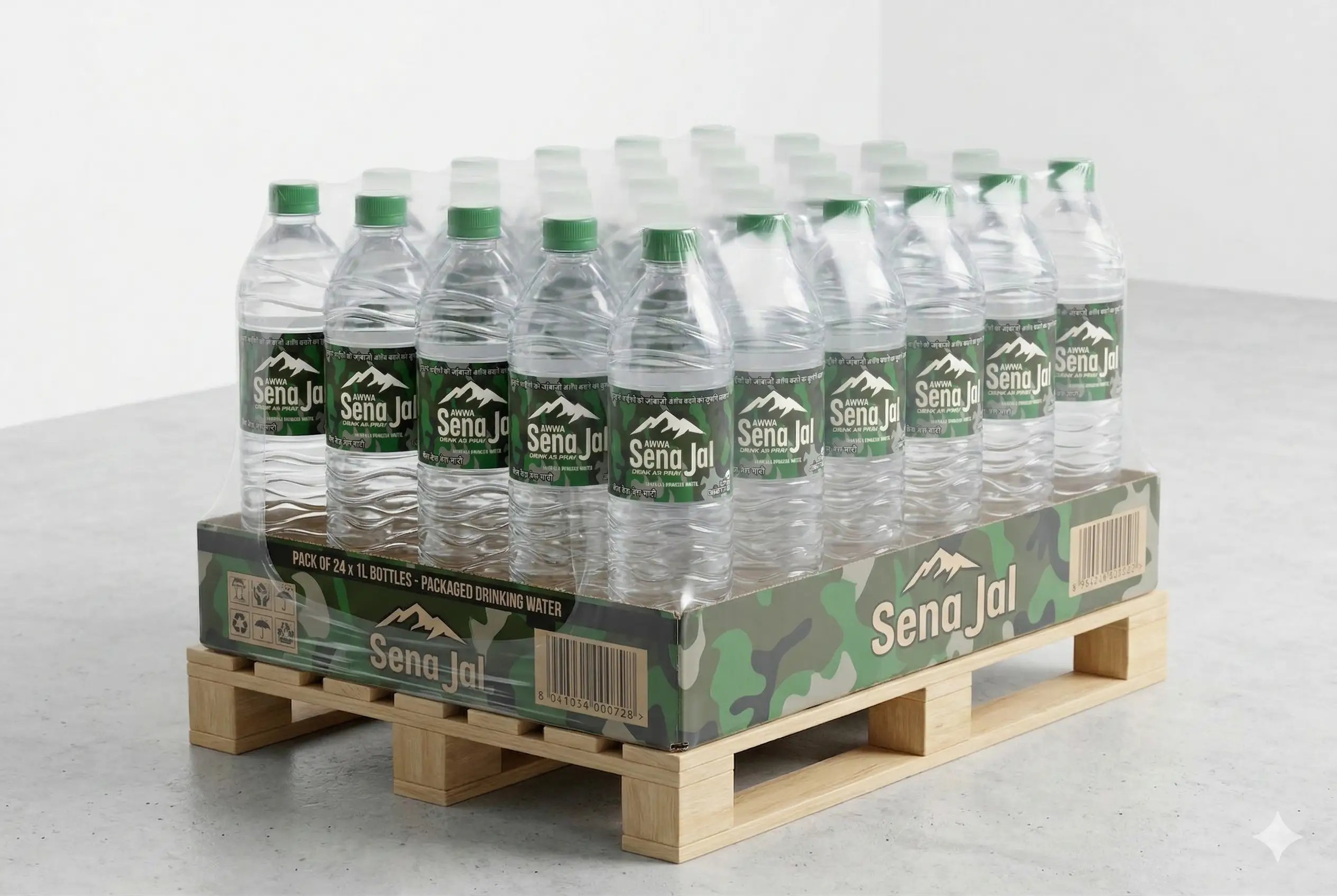
Batch Packaging Process


Bottles are automatically grouped and packed (1L: 12 bottles, 500ml: 24, 250ml: 35, 200ml: 48). Automated systems handle sorting and packaging. Heat-shrink plastic wrapping ensures secure and tamper-proof packaging for transportation.

Step 17

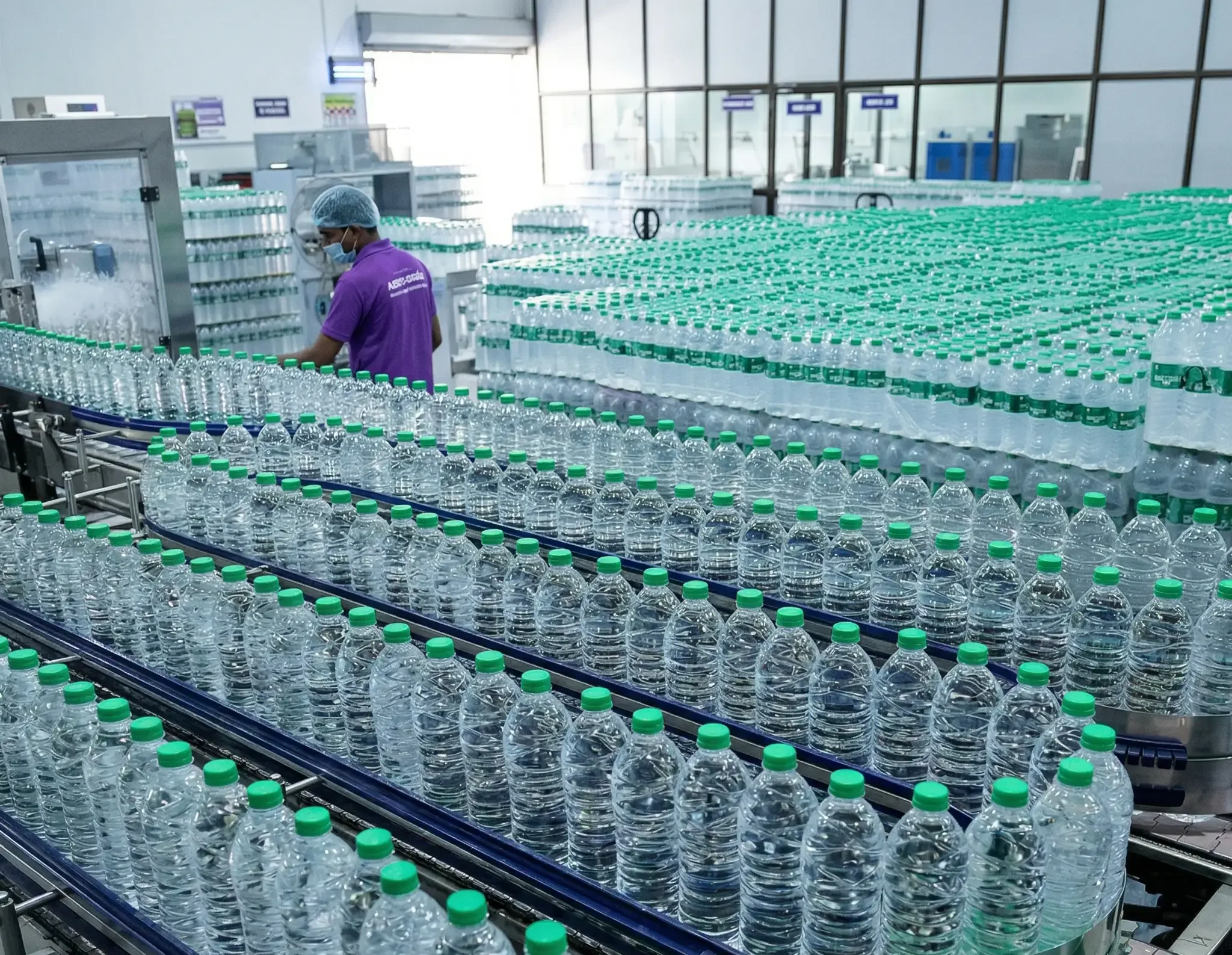
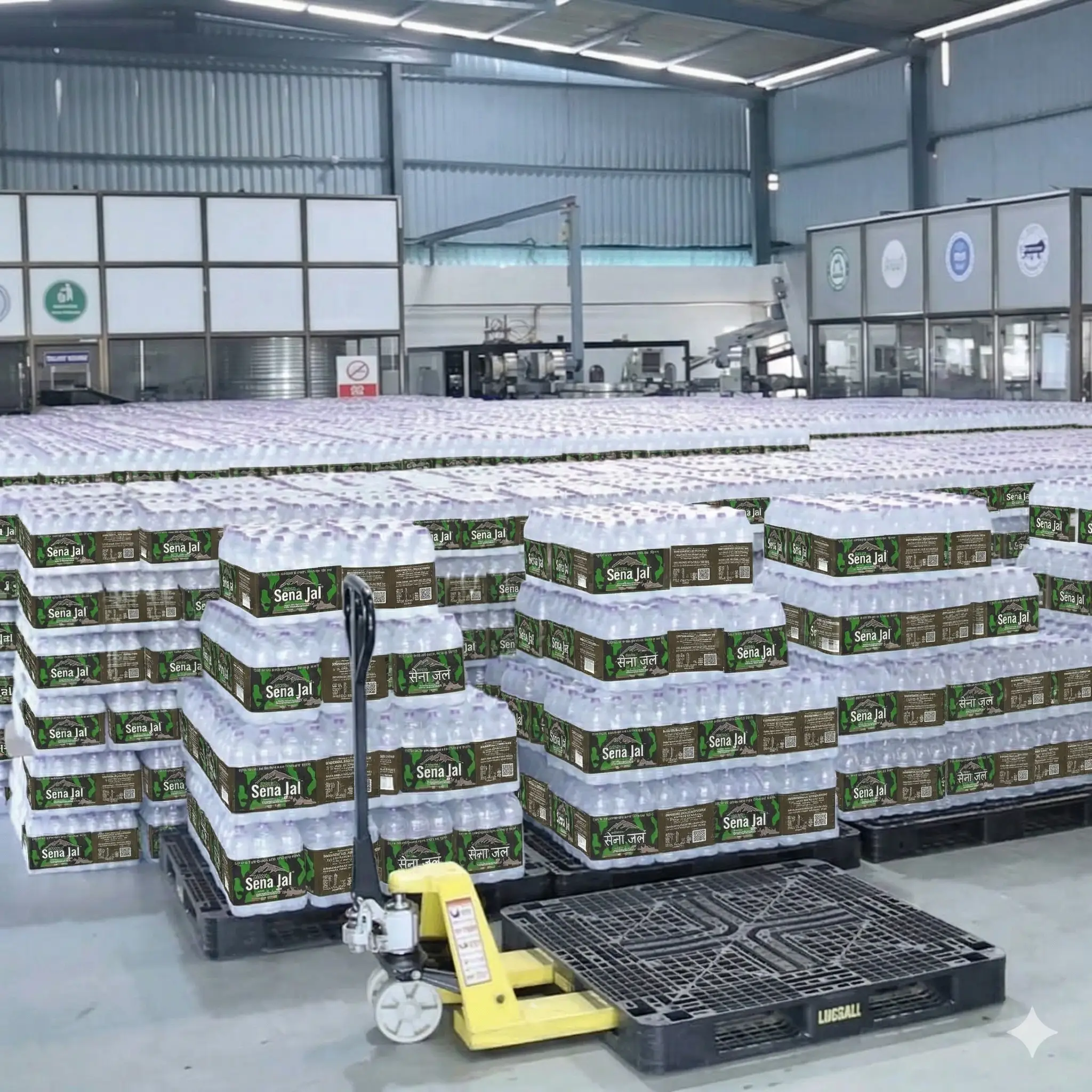
Warehousing & Storage

Finished products are stored in large, clean warehouses with a capacity exceeding 25,000 bottles per day. Organized stacking ensures easy inventory management. Environmental conditions are controlled to maintain product integrity.

Step 18

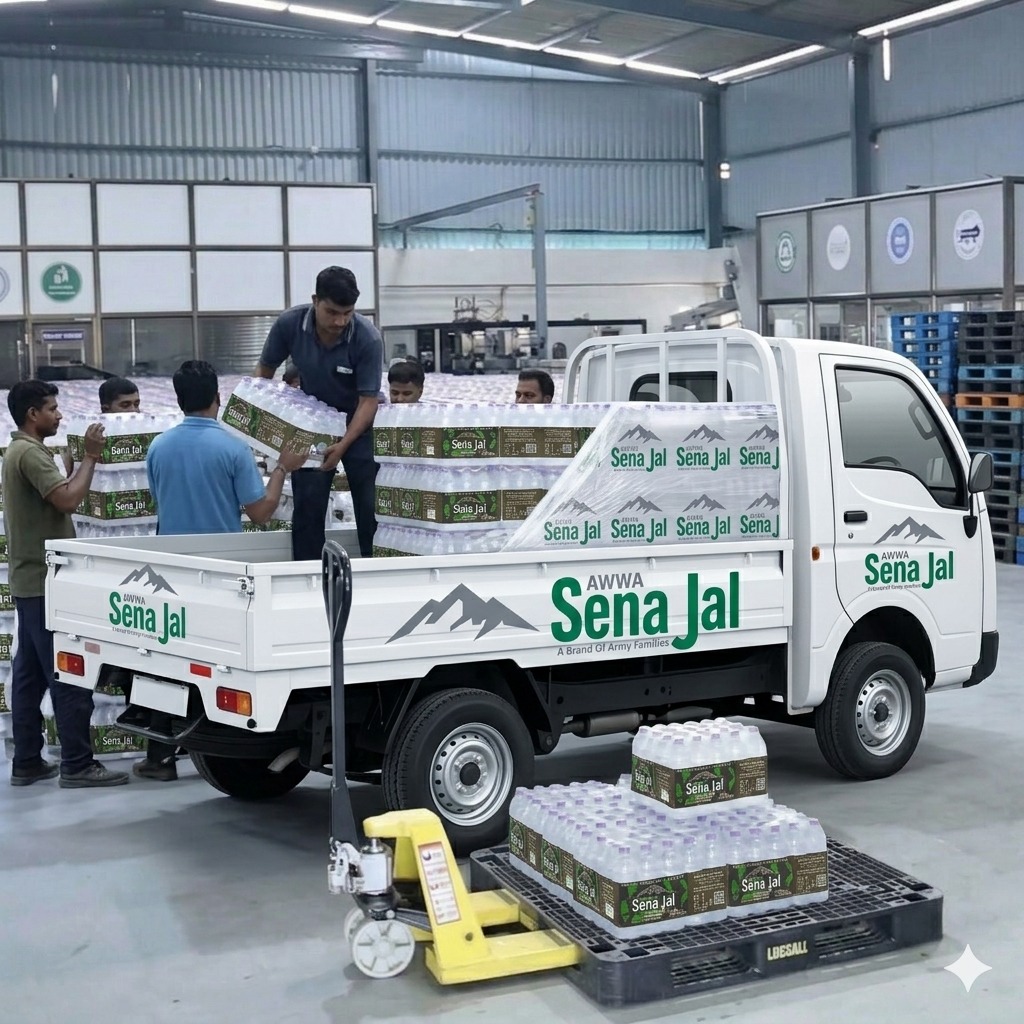
Dispatch & Distribution

Bottles are loaded onto trucks using forklifts for safe handling. Efficient logistics ensure timely delivery to distributors and retailers. Proper loading practices prevent damage during transit, ensuring products reach customers in perfect condition.

Secure Payments